
Two Men Sentenced to 15 Years After 700 Pounds of Meth Found Hidden in Cucumber Load
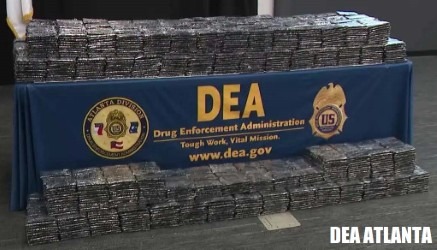
Two men have been sentenced to 15 years in federal prison after authorities discovered more than 700 pounds of methamphetamine hidden inside a tractor-trailer carrying cucumbers in Gainesville, Georgia.
DEA agents began watching the trailer on June 30, 2025, after receiving information about a suspected large shipment of drugs. Investigators later arrested 39-year-old Andres Jasso Jr. and 61-year-old Rufino Pineda-Perez near the truck before searching the load.
What agents found inside was far from an ordinary produce shipment.
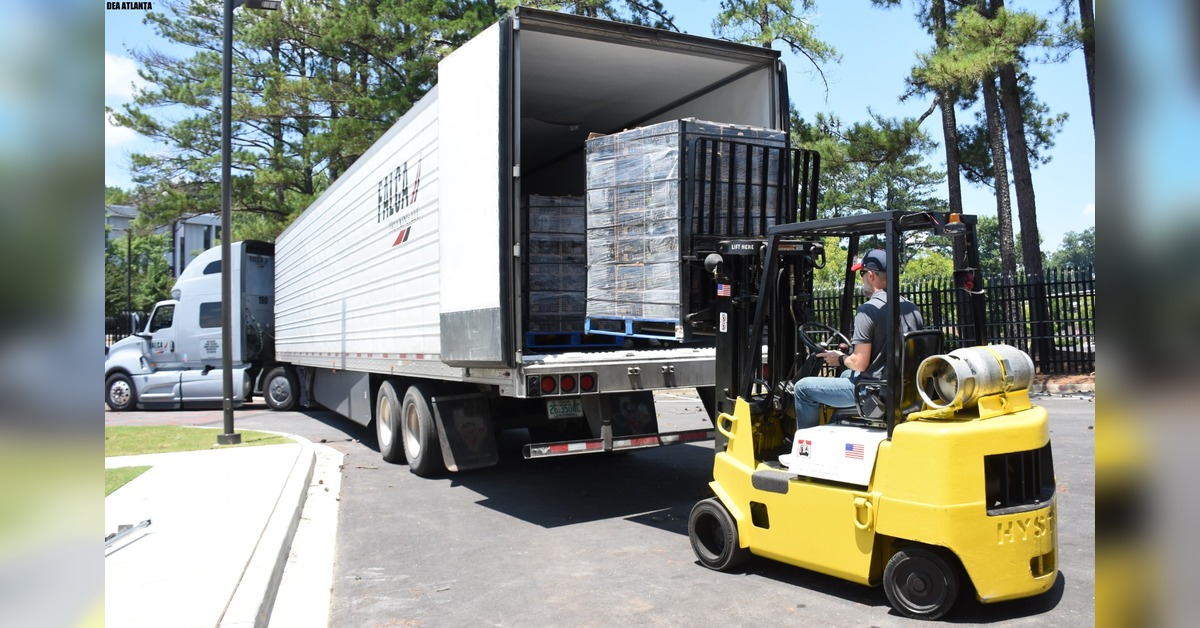
According to federal prosecutors, the trailer contained 20 pallets of cucumber boxes. Hidden inside the boxes were thousands of individually wrapped packages containing methamphetamine. Authorities said the total weight of the drugs exceeded 700 pounds.
U.S. Attorney Theodore S. Hertzberg called the seizure an “astonishing amount of deadly methamphetamine.”
Jasso and Pineda-Perez were each sentenced to 15 years in federal prison. Jasso received his sentence on July 17, while Pineda-Perez was sentenced Wednesday. Both men will also serve 10 years of supervised release after completing their prison sentences.
Both defendants pleaded guilty on March 11 to conspiracy to possess methamphetamine with intent to distribute. Pineda-Perez also pleaded guilty to illegally reentering the United States after previously being deported.
Meth Hidden Among 20 Pallets of Cucumbers
Investigators said DEA agents observed Jasso and Pineda-Perez sitting inside a sedan parked near the tractor-trailer outside a Gainesville warehouse.
Agents later searched the commercial trailer and discovered 20 pallets loaded with boxes of cucumbers. Inside the shipment, authorities found thousands of packages of methamphetamine concealed among the produce.
Federal prosecutors said the two men had been instructed by other members of the conspiracy to unload the shipment and separate the drugs from the cucumbers.
Authorities have not publicly identified where the shipment originated, where it was supposed to be delivered or who sent the load. The warehouse involved in the investigation was also not identified.
Pineda-Perez Had Previously Been Deported
Federal prosecutors said Pineda-Perez is a Mexican citizen who was in the United States illegally at the time of his arrest.
His criminal and immigration history dates back more than two decades.
In 2001, authorities in Arizona convicted Pineda-Perez of transporting marijuana. He was later removed from the United States.
Prosecutors said he eventually returned to the country and was involved in another drug transportation case in the Atlanta area in 2014 involving cocaine. In 2015, he was sentenced to approximately six and a half years in federal prison and was deported again after completing that sentence.
He later returned to the United States before being arrested in connection with the Gainesville methamphetamine shipment.
The DEA led the investigation with assistance from the Georgia State Patrol, Georgia Bureau of Investigation and U.S. Immigration and Customs Enforcement.
Assistant U.S. Attorney Johnny Baer prosecuted the case for the Northern District of Georgia.
Authorities have not announced any additional defendants or publicly identified the supplier, intended recipient or final destination of the drugs.
Why This Matters for Trucking
Drug trafficking organizations continue to use legitimate commercial freight as a way to move large quantities of narcotics across the country.
Produce shipments can be especially attractive because tractor-trailers carrying food move through warehouses, distribution centers and highways every day without appearing unusual.
For truck drivers, carriers and warehouse operators, cases like this are another reminder to pay attention to suspicious loading instructions, unfamiliar contacts, unexpected route changes and anything unusual involving a shipment.
A normal-looking load of cucumbers ended up hiding more than 700 pounds of methamphetamine — showing just how easily legitimate trucking operations can be used as cover for major drug trafficking operations.